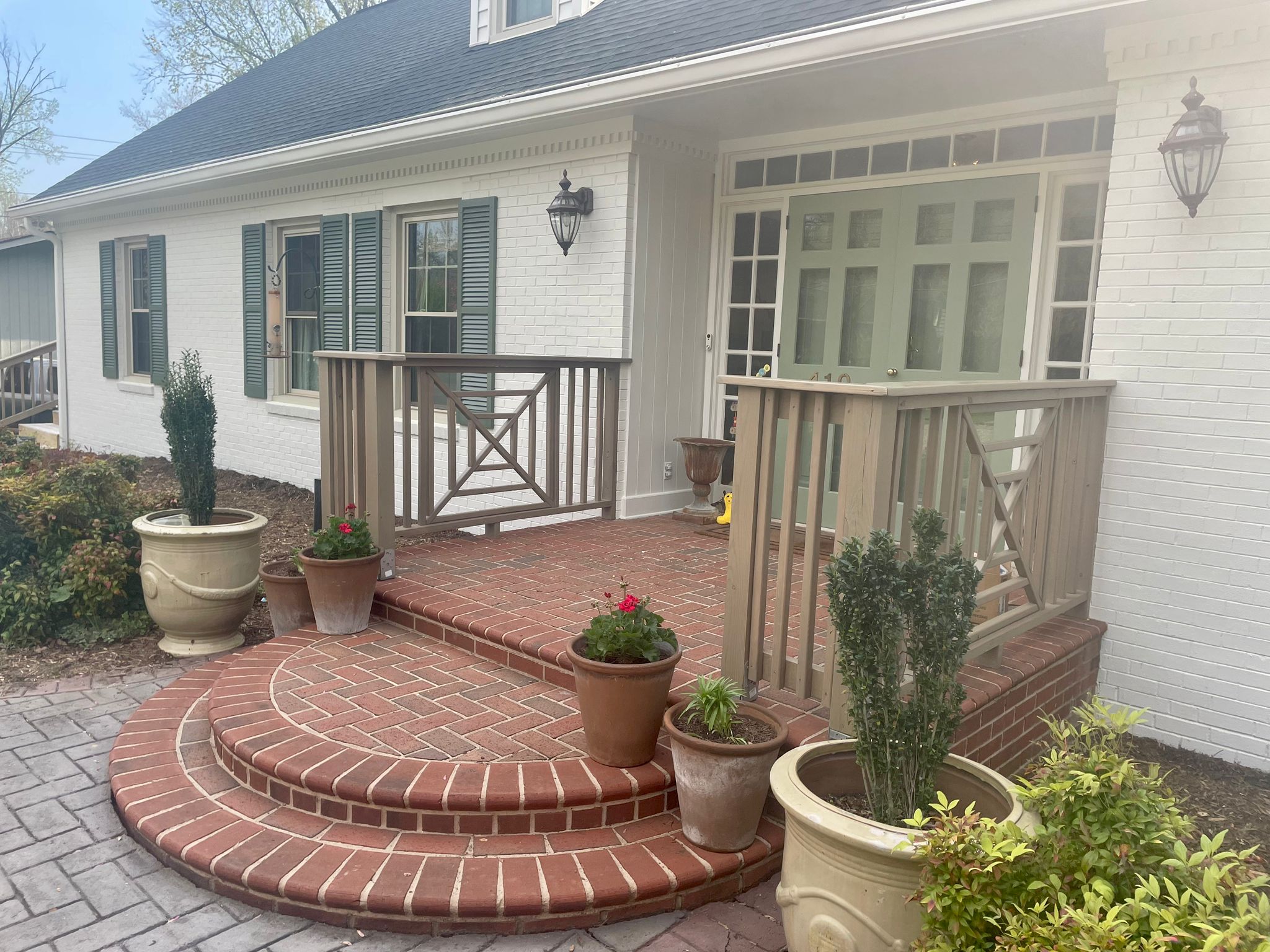
Sustainable Practices in Home Construction
In today's world, the importance of sustainable practices in home construction cannot be overstated. As climate change and environmental concerns continue to rise, home builders and owners are increasingly seeking eco-friendly solutions. This blog post will explore the principles of sustainable construction, the benefits of green building, and practical tips for creating eco-friendly homes.
Understanding Sustainable Construction
Sustainable construction refers to the practice of designing and building homes in a way that minimizes environmental impact. This involves using resources efficiently, reducing waste, and employing renewable materials whenever possible. Key principles include:
- Energy efficiency
- Water conservation
- Sustainable materials
- Indoor air quality
- Waste reduction
Benefits of Green Building
Opting for sustainable construction methods offers numerous benefits for homeowners, builders, and the environment. Some of the primary advantages include:
- Lower utility bills due to energy efficiency
- Increased property value and marketability
- Improved indoor air quality for healthier living
- Reduced environmental impact and carbon footprint
- Potential tax incentives and rebates
Key Elements of Eco-Friendly Homes
Creating an eco-friendly home incorporates various elements that contribute to sustainability. Below are some essential components:
- Solar panels for renewable energy
- Rainwater harvesting systems
- Energy-efficient appliances
- High-performance insulation
- Sustainable landscaping practices
Renewable Energy Sources
Implementing renewable energy sources, such as solar panels, can significantly reduce reliance on fossil fuels. Homeowners can take advantage of government incentives for solar installations, making it a financially viable option.
Water Conservation Techniques
Incorporating water-saving devices and systems is essential in sustainable home construction. Techniques include:
- Low-flow faucets and showerheads
- Dual-flush toilets
- Greywater recycling systems
- Native plant landscaping that requires minimal irrigation
Materials for Sustainable Building
Choosing the right materials is crucial for eco-friendly construction. Consider the following sustainable options:
- Recycled materials such as reclaimed wood or metal
- Bamboo, a rapidly renewable resource
- Low-VOC paints and finishes for better indoor air quality
- Sustainable insulation materials like cellulose or sheep’s wool
Tips for Homeowners
Homeowners looking to build or renovate sustainably can implement the following tips:
- Work with a contractor experienced in sustainable building practices
- Prioritize energy efficiency in your design
- Select sustainable materials and products
- Incorporate natural light and ventilation to reduce energy use
- Plan for future energy needs with scalable solutions
Conclusion
Sustainable practices in home construction are not just a trend; they represent a necessary shift towards more responsible living. By implementing eco-friendly solutions, homeowners can contribute to a healthier planet while enjoying the benefits of lower utility costs and improved quality of life. Whether you're building a new home or renovating an existing one, consider adopting these sustainable practices to make a positive impact.